Blogs

How a Carpenter Who Specializes in Cabinet Making Crafts Custom Furniture
The meticulous craft of carpentry has long transformed wood into functional and beautiful forms. When carpenters devote themselves to specialized cabinet making skills, they can create custom furniture and millwork of extraordinary artistry and quality. The following essays delve into various facets of how a carpenter maker's expertise, from the planning stages through final finishing details, enables them to fulfill clients' cherished visions through custom creations designed to last lifetimes.
What kind of training and education does a carpenter specializing in cabinet making typically have?
A cabinetmaker carpenter who crafts custom furniture and architectural millwork requires extensive training and education to acquire the specialized skills needed for this trade. Most complete a formal apprenticeship program that combines classroom instruction with on-the-job training under an experienced mentor. Apprenticeships generally last 3-4 years and cover areas like:
- Wood science and materials - Learning the properties and workability of various domestic and exotic lumber species, manufactured wood products like plywood and veneers, and other materials used in fine cabinetry like stone, glass, and metal. This knowledge helps select suitable materials for each project based on appearance, strength, hardness, and workability.
- Workshop safety - Use dangerous woodworking machinery like table saws, jointers, planers, routers, and shapers. Following protocols to prevent injury. Proper handling and storage of toxic finishes and adhesives. Use of protective gear like respirators and safety glasses. Maintaining a clean, organized shop.
- Furniture design principles - Theory of form, function, and aesthetics. Studying historical and modern styles. Drafting in 2D and 3D. Developing working drawings and cut lists. Considering ergonomics and human factors. Design to avoid cracking and warping.
- Fine woodworking techniques - Mastering hand and power tools for milling, joining, shaping, and surfacing wood. Cutting precise joints like dovetails for strength without visible fasteners. Veneering, inlay, carving, turning, scrolling, and finishing. Achieving high-end results efficiently.
- Business practices - Estimating time and materials. Pricing works profitably. Contracts and legal considerations. Managing projects and clients. Bookkeeping, marketing, and selling custom work.
Many also pursue formal education, like a college woodworking program, to supplement their apprenticeship. Passing voluntary woodworking exams can further validate expertise. Extensive training and dedication to the craft are essential to succeed as a professional cabinetmaker.
What types of woods and materials does a cabinetmaking carpenter commonly work with for custom furniture?
Cabinetry carpenters work with a wide selection of wood, manufactured wood products, and other materials to construct customized furniture and architectural elements.
Hardwoods like oak, maple, cherry, and walnut are common because they have attractive grains, stains well, and are durable for long-term use. High-end work uses exotic woods like mahogany, ebony, and teak. You may use softwoods like pine for economical projects or hidden frameworks.
Consider grain patterns, color variation, and workability when selecting lumber boards. Valuers value quarter-sawn boards for their straight grain in visible areas.
Plywood with attractive veneers is widely used for carcass construction. Baltic birch ply has few voids for strength in casework. Marine ply resists moisture in bathroom vanities. Plywood panels impart stability, avoiding movement issues with solid wood.
Veneers of expensive, rare, or sustainable woods allow unique beauty at a fraction of the cost of solid lumber. Veneers as thin as 1/42" are sliced and applied over a stable substrate. Matching grain patterns and symmetry is an art.
Manufactured boards like MDF, particleboard, and hardboard are used internally or for concealed surfaces due to cost. Melamine-coated boards are durable for exposed surfaces.
Hardware like hinges, pulls, shelf standards and drawer slides are incorporated from specialty manufacturers. Careful installation allows smooth operation.
Stone, glass, metal, or tile accents may be hand-crafted or sourced. Natural stone like granite and quartz is popular for countertop surfaces.
Fine cabinet makers combine materials purposefully based on cost, workability, strength, and appearance. This melding of natural and artificial materials supports the form and function of quality custom furniture.
What tools and equipment does a cabinetmaking carpenter need in their workshop?
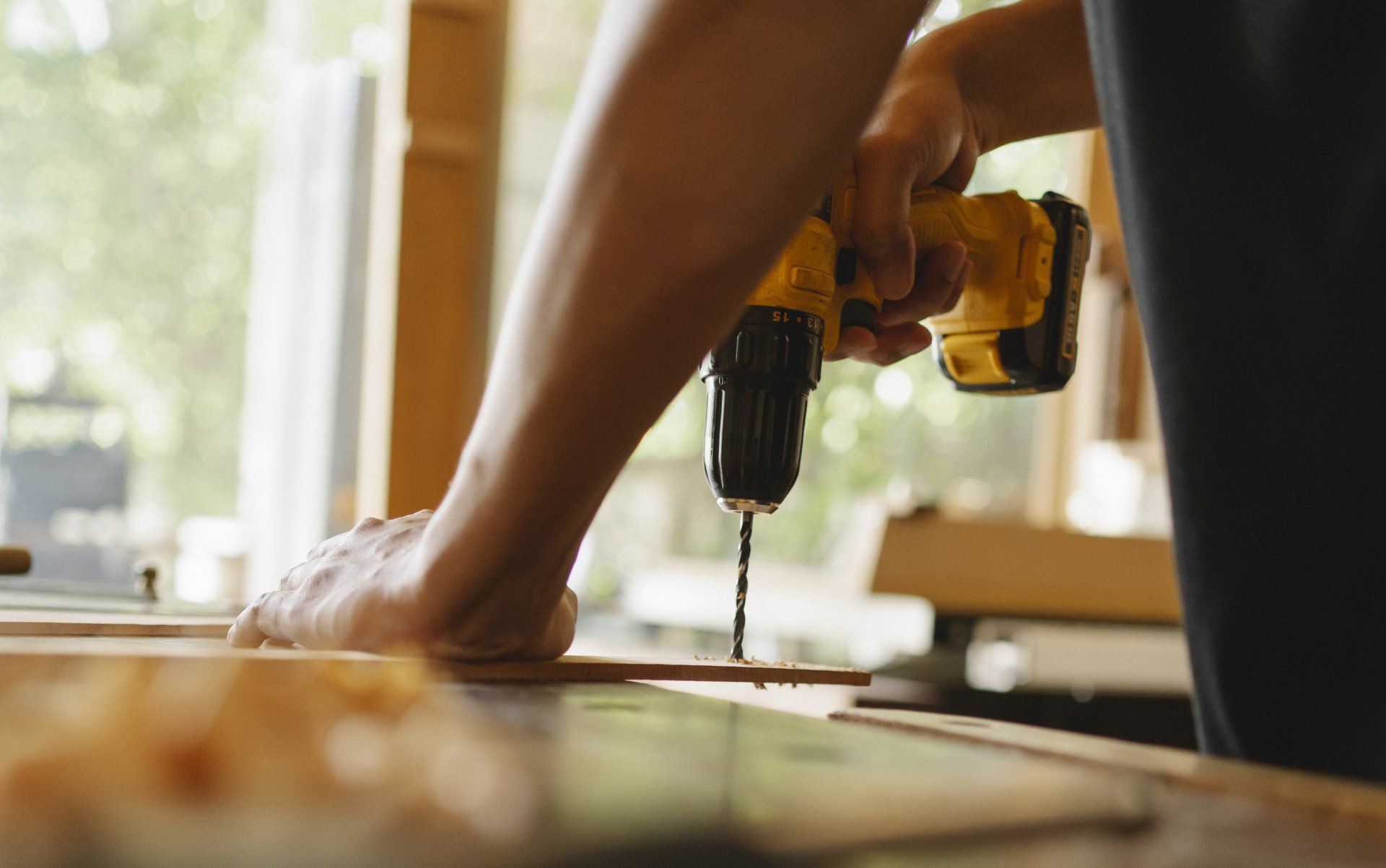
A professional cabinetmaking carpenter requires extensive woodworking tools and workshop equipment to efficiently perform precise work when crafting custom furniture and architectural millwork.
- Table saw - The centerpiece of most shops. Allows straight, square, mitered, beveled, and compound cuts with a range of blades. Outfeed tables and jigs improve safety and precision.
- A band saw - Cuts irregular curves and resaws lumber into thinner boards. Vital for detailed shaping work.
- Jointer and planer - Used to mill rough lumber into square boards of consistent thickness, flatness, and smoothness.
- Router - Incredibly versatile for joint cutting, profiling edges, decorative effects, inlays, and more. Table-mounted or handheld.
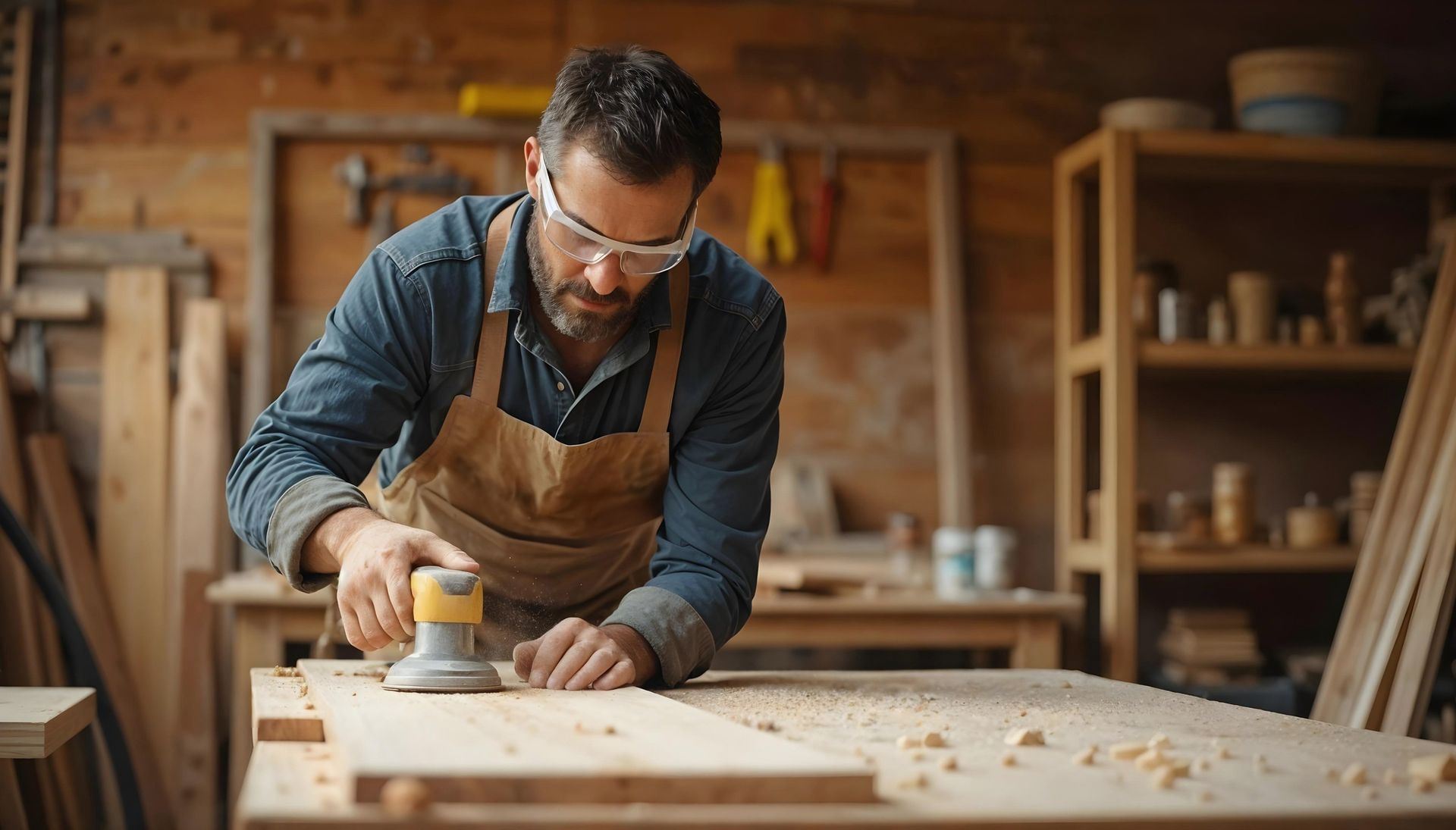
- Sanders - Belt, disc, orbital, drum, and other types of shape, smooth and finished wood. It may be stationary or portable. Dust collection is critical.
- Drill press - Bores precise, square holes for joinery, hardware, and fasteners. It can add mortising and horizontal boring capabilities.
- Lathe - Turned spindles and posts. Essential for furniture legs and other turned elements.
- Hand tools - Cabinets filled with planes, chisels, saws, measuring/marking tools, clamps, etc. Enable detailed hand work.
- Air filtration - Dust collection at each machine. Ambient air cleaners improve shop air quality.
- Workbenches and tables - Provide working surfaces for machining, assembly, finishing, and inspection. Jigs aid precision.
Outfitting a professional woodworking shop requires significant investment in quality stationary and portable tools tailored to cabinetmaking work. Shop organization and cleanliness also increase efficiency and safety.
How does the carpenter begin the process of crafting a custom furniture piece?
The initial stages of crafting a custom furniture or cabinet piece are crucial to the project's success. This careful planning and design process generally involves the following:
- Consulting with the client - Discussing their needs, vision, budget, and timeline. Gaining insights on how the piece will be used and viewed. Advising on options. Developing a project scope and agreement.
- When relevant, take measurements of the installation site to customize the dimensions and features precisely.
- Drafting scale drawings - Sketching by hand and using CAD software to visualize the piece from all views. Refining the form for aesthetics, function, and constructability.
- Creating material cut lists - Calculating the needed materials, including dimensions and quantities. Minimizing waste improves cost efficiency.
- Developing a project schedule - Mapping out the build sequence and estimating the time requirements of each phase. Building a cushion for the unexpected.
- Ordering materials - Purchasing lumber, sheet goods, hardware, finishes, and other specialty items needed, allowing time for shipping. Inspecting wood carefully upon arrival.
- Preparing the wood - Milling, joining, laminating, and surfacing boards to achieve correctly sized parts that are square and flat. Allowing for proper acclimation and moisture content.
- Finalizing the working drawings - Incorporating any changes from the initial concepts. Including all views, dimensions, joinery details, notes, and instructions needed for the build.
Thoughtful planning is the foundation of executing a furniture project efficiently and to a client's specifications. A cabinetmaker's experience and drafting skills enable visualize the finished piece accurately before starting fabrication.
What steps are involved in building the cabinet carcass or frame?
Constructing a cabinetry piece's structural framework or carcass is a critical first build step, requiring skill and precision. Key steps include:
- Cutting components to size from plywood or lumber using the working drawings and cut list. Jointing edges perfectly straight and square.
- Machining parts for strength, such as rabbeting cabinet backs or drawer sides, create strong joints.
- Assembly of the cabinet boxes using secure, rigid joinery. Dado, rabbet, pocket screw, and other joints align pieces precisely. Clamps and carpenter's squares keep structures square.
- Reinforcing the carcasses with backboards, stretchers, blocking, and web frames for rigidity. Solid anchoring to walls is planned as needed.
- Sanding components smooth, prepping for finishing steps later.
- Adding decking substrates as needed. Hardwood plywood floors for base cabinets. Hanging rails for wall cabinet alignment. Cover panels for visibility.
- Installing cabinet hardware like shelf pin holes, hinge screw plates, and slide mounts using jigs for consistency.
- Apply finish coats to interior surfaces before assembly. Durable, moisture-resistant sealers are ideal for hidden areas. Spraying allows full coverage.
- Final sanding/prep and touch-up color coats after assembly. Carefully finish the edges.
A meticulously constructed carcass provides the foundation for durable, reliable cabinets and furniture. The carpenter's skill and care in framing and joining carry through the entire build.
How are customized design elements like specialized doors, drawers, and trims incorporated?
Beyond the underlying carcass, cabinet makers rely on their artistry and attention to detail to hand-craft the doors, drawers, panels, trimwork, and other elements that make each piece unique based on the client's needs and preferences.
- Doors - Crafted of solid wood or veneered panels, we machine profiled edges like inset panels for consistency. Joinery such as mortise and tenon provides durability.
- Drawers - Fitted to the cabinet openings precisely. Dovetail or other joints withstand years of use. Undermount slides allow full access.
- Interior fittings - Custom inserts, dividers, racks, pegboards, and more optimize storage.
- Trim molding - Applied carefully at intersections. Inside the cove, beadboard, light rails, appliques, and more create elegant effects.
- Leg styles - Turned, tapered, fluted, and other creative leg forms support the style. Joinery and bracing secures them.
- Inlays and intarsia - Meticulous hand-cutting of contrasting species creates decorative patterns. Shows immense skill.
- Carvings - Intricately carved aesthetics and flourishes adorn the finest furniture.
- Hardware - Drawer pulls, hinges, clasps, and accents complement the design and finish. Installed precisely.
- Glass and metalwork - Leaded glass panels. Forged hardware. Copper elements.
The personalized elements created by an experienced cabinet maker make a piece truly one-of-a-kind and reflect the skill level invested in it. Clients take pride in furniture tailored specially for them.
What finishing processes, such as sanding, staining, and sealing, do artisans apply to custom furniture?
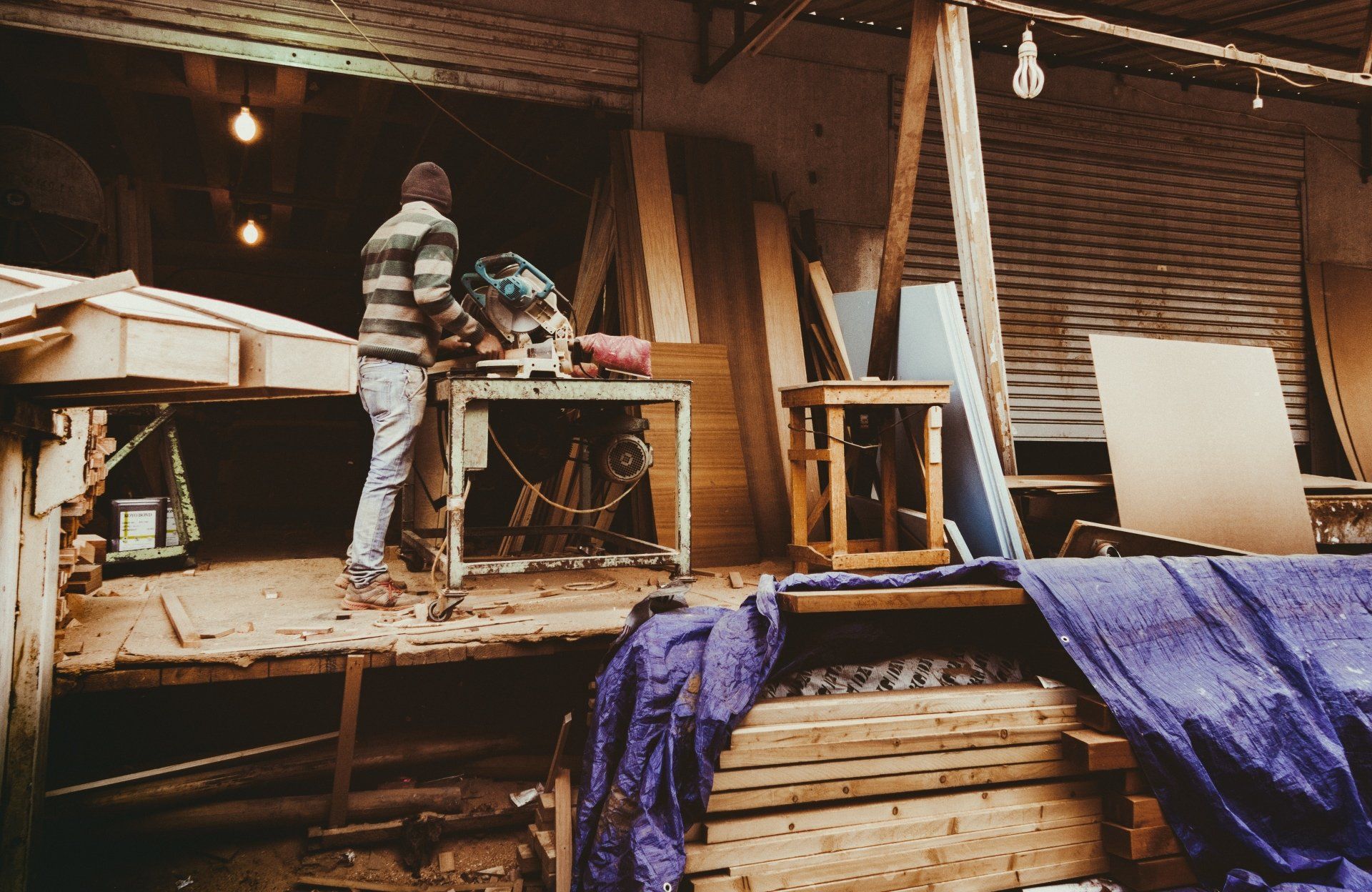
Applying flawless finish coats is the final step to showcase the beauty of wood and fine craftsmanship. Careful sanding, staining, and sealing procedures include:
- Sanding - Progressively finer grits, up to 400 or higher, achieve a silky smooth surface optimized for absorption of stain and sealers. Hand sanding accentuates details. Thorough dust removal follows.
- Staining - Using wipe, brush, or spray methods to evenly color and enhance the wood grain. Multiple coats may build the depth of color. Careful masking protects areas to remain natural.
- Filling - Grain filler evens out pores in open-grain woods like oak before topcoating for a glassy look. Allows a polished finish.
- Sealing - Multiple coats of clear topcoats like polyurethane, varnish, shellac, or lacquer. Sanding between coats creates a flat, mirror-like effect in high-end work. Water-based finishes minimize fumes.
- Repairs - Small flaws are corrected to preserve quality. Putty fills cracks or defects. Touch-up markers blend repairs.
- Rubbing out - The final coat is hand-rubbed with ultra-fine abrasives to remove dust particles and create a perfectly uniform satin sheen.
- Waxing - Light wax coats on top of curing finishes add protection and luster. Buffed for a soft glow.
- Protection - Careful handling, drop cloths, and touch-ups prevent damage before delivery. Provide instructions for ongoing care.
With patience and attention to detail, expert finishing takes furniture to the pinnacle of beauty, ready for lifetimes of use and admiration.
What considerations must you make for safely installing and securing the finished custom furniture cabinet?
Proper on-site installation of a finished cabinetry piece ensures it functions as intended within the space while adequately secured for safety and longevity. Key factors include:
- Reviewing the installation site and access paths. Coordinating any needed adjustments ahead.
- Scheduling work with the client to deliver and install during ideal times. Arranging any needed help.
- Padding and securely strapping the piece within the truck to prevent shifting or damage.
- Carefully protecting all surfaces, corners, and handles to avoid scratches during transport and carrying.
- Correctly using hand trucks, lift gates, ramps, and dollies for safe appliance-like handling. Recruiting help for heavy or awkward pieces.
- Checking for plumb, level, and fit within the installation opening. Making any minor adjustments.
- Securing firmly into wall studs or appropriate anchors per specifications, not just drywall. Verifying adequate strength.
- Adjusting doors, drawers, hardware, fittings, and lighting for perfect fit and operation. Confirming full clearance.
- Touching up any minor installation damage spots with color-matched finish pens. Cleaning away dust or debris.
- Providing manuals, warranty info, and care instructions for ongoing maintenance by the client.
With proper planning to get the piece delivered damage-free, followed by meticulous installation and attachment, the carpenter ensures the client receives a stunning and functional custom piece.
How does the carpenter ensure quality control and meet the client's specifications throughout the process?
Skilled cabinet maker carpenters rely on time-honored techniques as well as modern technology to guarantee excellence and conformance to each client's unique specifications:
- Careful selection and inspection of all materials that will be visible to scrutinize quality. Rejecting any boards with flaws in key areas.
- Precision machining setups using jigs, stops, and templates. Verifying the calibration of tools and guides.
- Clamping assemblies at all stages for accuracy. Periodically checking for squares. Take your time with glue drying times.
- Clean, organized work zones to prevent errors. Step-by-step notes and photos aid complex assemblies.
- Confirming all openings and clearances by measuring test fitting actual parts. Fine-tuning before final joinery.
- Judicious use of mockups, prototypes, and samples. Allows preview, feedback, and adjustments.
- Photographing progress frequently. Comparing drawings to immediately catch any deviations.
- Meticulous hand-finishing for aesthetics. Block sanding and grain-filling. Monitoring sheen.
- Function testing doors, drawers, and hardware in situ. Listening/looking for any binding or rubbing.
- Collaborating with colleagues and clients to ensure the piece meets goals. Welcome feedback.
- Triple-checking before final delivery. Making any final tweaks for perfection.
A cabinetmaker's devotion, experience, and pride compel them to build heirloom-quality creations that will delight generations. Their passion shows in every detail.
Conclusion
In conclusion, while woodworking technology advances, there remains irreplaceable value in work crafted by human hands. The passion and pride cabinetmaker carpenters bring to their trade lives on through each piece. Their artistry elevates spaces and connects us to the timeless appeal of natural materials shaped into new purposes. Custom furniture made with sincerity and skill is a legacy for future generations to appreciate.