Blogs

Why Should You Hire a Professional for Door and Lock Repair Services in London
In a busy city like London, everyday wear and tear on doors, locks, and handles is unavoidable. From stiff door handles to worn-out locks that no longer close smoothly, these issues can affect both security and convenience. While they may not always require a specialist locksmith, they still demand skilled, professional attention. A reliable
door and lock repair handyman service in London focuses on practical solutions such as
changing and fitting locks, repairing door handles, and carrying out general door hardware work, ensuring doors operate safely and efficiently. The following sections explore common problems, practical repair approaches, and why professional handyman services are often the most suitable choice for routine door and lock maintenance.
What are the most common door and lock issues handled by a handyman service in London?
Many properties across London experience everyday door and lock problems that do not require complex locksmith intervention. One of the most common issues is loose, stiff, or broken door handles, often caused by frequent use, internal spring failure, or worn fixings. These problems can make doors difficult to open or close and, if ignored, may lead to further damage to the lock mechanism.
Another frequent issue involves locks that no longer align properly with the door frame. This is often the result of building movement, worn hinges, or seasonal expansion and contraction of materials. When alignment is off, doors may not latch securely, creating inconvenience and reducing basic security. Handyman services regularly resolve this through door adjustment, hinge correction, or lock repositioning.
Handymen are also commonly called upon for
changing or fitting replacement locks when keys are lost, tenants change, or existing locks become unreliable through age. Rather than complex lock picking or security upgrades, this work focuses on straightforward replacement of standard locks, cylinders, and latches. General door hardware tasks, such as tightening fixings, replacing strike plates, or adjusting closers, also fall within this practical service scope.
| Issue Type | Typical Cause | Handyman Solution |
|---|---|---|
| Loose or broken door handle | Wear, internal spring failure | Handle repair or replacement |
| Door not latching properly | Misalignment, worn hinges | Door and lock realignment |
| Worn or unreliable lock | Age, frequent use | Lock replacement or refitting |
| Stiff door operation | Frame movement, hardware wear | Adjustment and lubrication |
| Damaged door hardware | Daily use, impact | Hardware repair or replacement |
Recognising these common problems helps property owners understand when a general door and lock handyman service is the right solution.
How does a handyman-style door and lock repair service differ from a locksmith service?
A handyman-style service focuses on practical, non-specialist door and lock work, rather than advanced security systems or emergency lockouts. While locksmiths typically handle high-security locks, key cutting, and forced-entry situations, handymen specialise in everyday repairs and replacements that keep doors functioning smoothly.
For example, when a door handle becomes loose or stops returning properly, a handyman can repair or replace the handle, check the spindle, and ensure smooth operation. Similarly, if a lock is worn or no longer reliable, a handyman can remove and fit a new lock or cylinder, ensuring correct alignment and secure fixing. These tasks require skill and experience but do not involve bypassing locks or working with restricted security systems.
Another key difference is the
holistic approach to door hardware. Handymen assess the entire door setup, including hinges, frames, strike plates, and fixings. Rather than focusing solely on the lock itself, they ensure all components work together correctly, reducing strain and extending the life of the hardware.
| Service Aspect | Handyman Focus | Locksmith Focus |
|---|---|---|
| Door handles | Repair and replacement | Limited involvement |
| Lock changes | Standard lock fitting | Advanced lock systems |
| Door alignment | Adjustment and correction | Usually excluded |
| General hardware | Comprehensive door setup | Security-focused |
| Service style | Practical maintenance | Specialist security work |
This makes handyman services ideal for routine residential and commercial door maintenance.
When should you change or replace a lock rather than repair it?
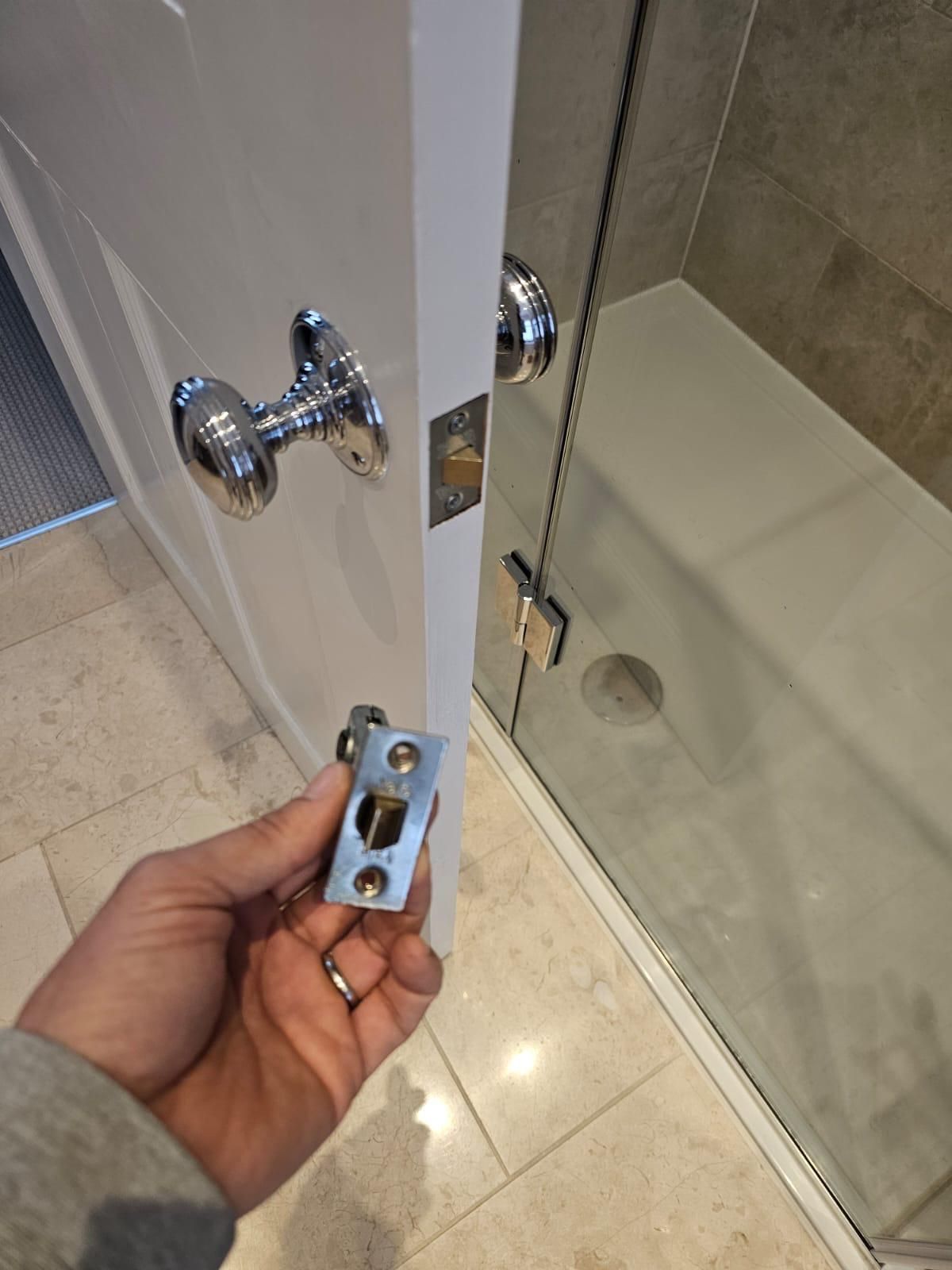
In many cases, changing a lock is more practical than attempting repeated repairs. Locks that are heavily worn, unreliable, or outdated can cause ongoing issues even after adjustment. If a lock frequently sticks, fails to latch, or feels loose despite previous fixes, replacement is often the most efficient solution.
Lock changes are also commonly required when keys are lost, tenants move out, or occupancy changes, ensuring basic security and peace of mind. Rather than upgrading to complex systems, a handyman can fit a suitable replacement lock that matches the door type and usage requirements.
Additionally, visible damage to the lock body, latch, or cylinder is a strong indicator that replacement is necessary. Continuing to use a damaged lock can strain the door and surrounding hardware, leading to more extensive repairs later.
Why is professional experience important for door handles and hardware repairs?
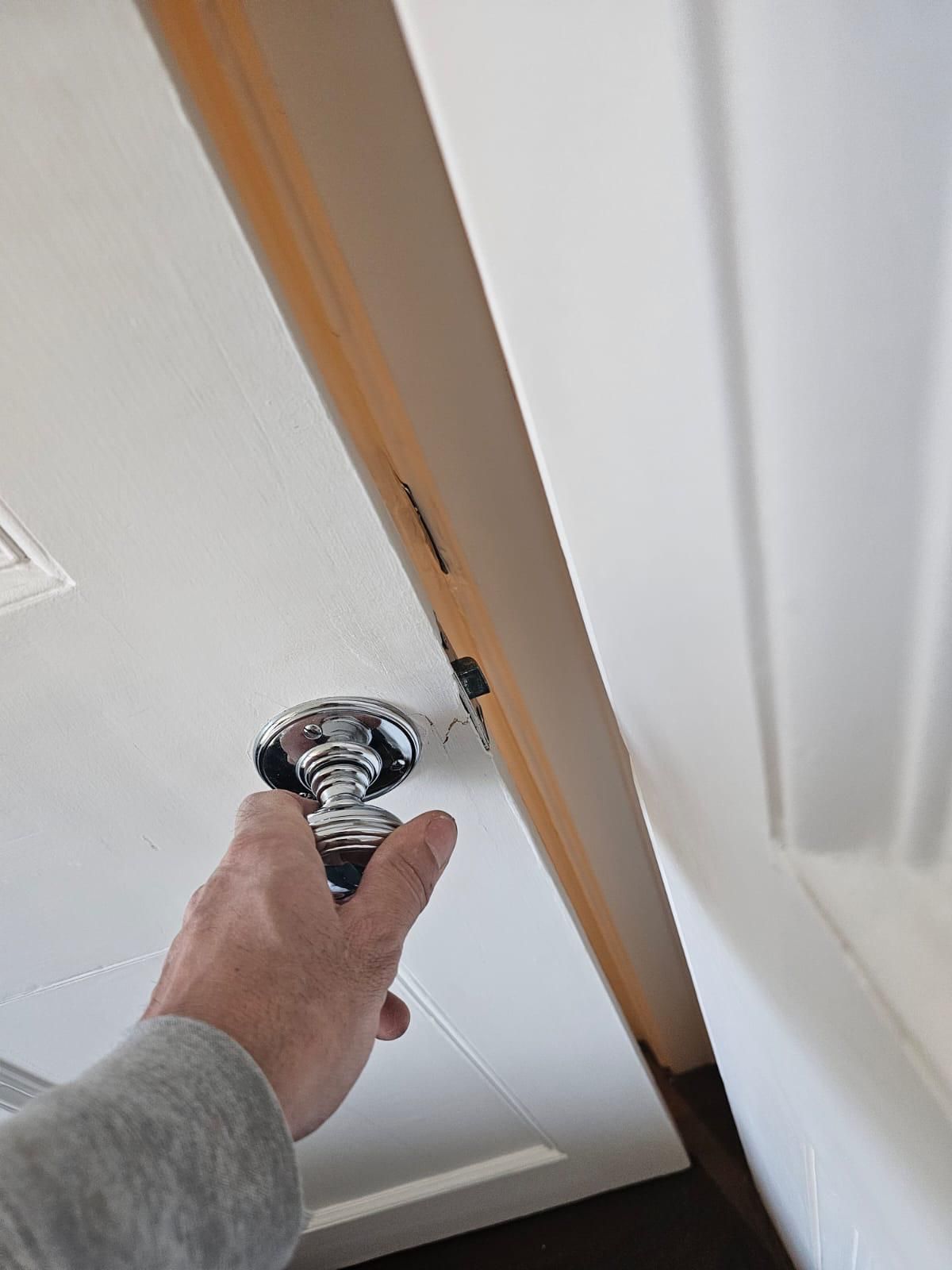
Although door handle and hardware repairs may seem simple, improper fitting can quickly create bigger problems. Incorrectly aligned handles, overtightened screws, or mismatched components can cause stiffness, premature wear, or damage to the lock mechanism. Professional handymen understand how different door materials and hardware types interact and apply the correct fitting techniques.
Experienced professionals also identify
underlying causes, such as door sagging or worn hinges, rather than just replacing the visible faulty part. This ensures smoother operation and reduces the likelihood of repeat issues.
What are the risks of ignoring professional door and lock repairs?
Ignoring minor door and lock issues can lead to escalating problems. A loose handle may eventually fail completely, leaving a door unusable. Poor alignment can strain locks and hinges, increasing repair costs over time. In commercial settings, faulty doors can disrupt daily operations and create safety concerns.
DIY attempts can also result in stripped fixings, damaged doors, or incorrectly fitted locks, making professional repair more expensive later. Hiring a professional handyman early helps maintain functionality, safety, and long-term reliability
How do handyman door and lock services support long-term reliability?
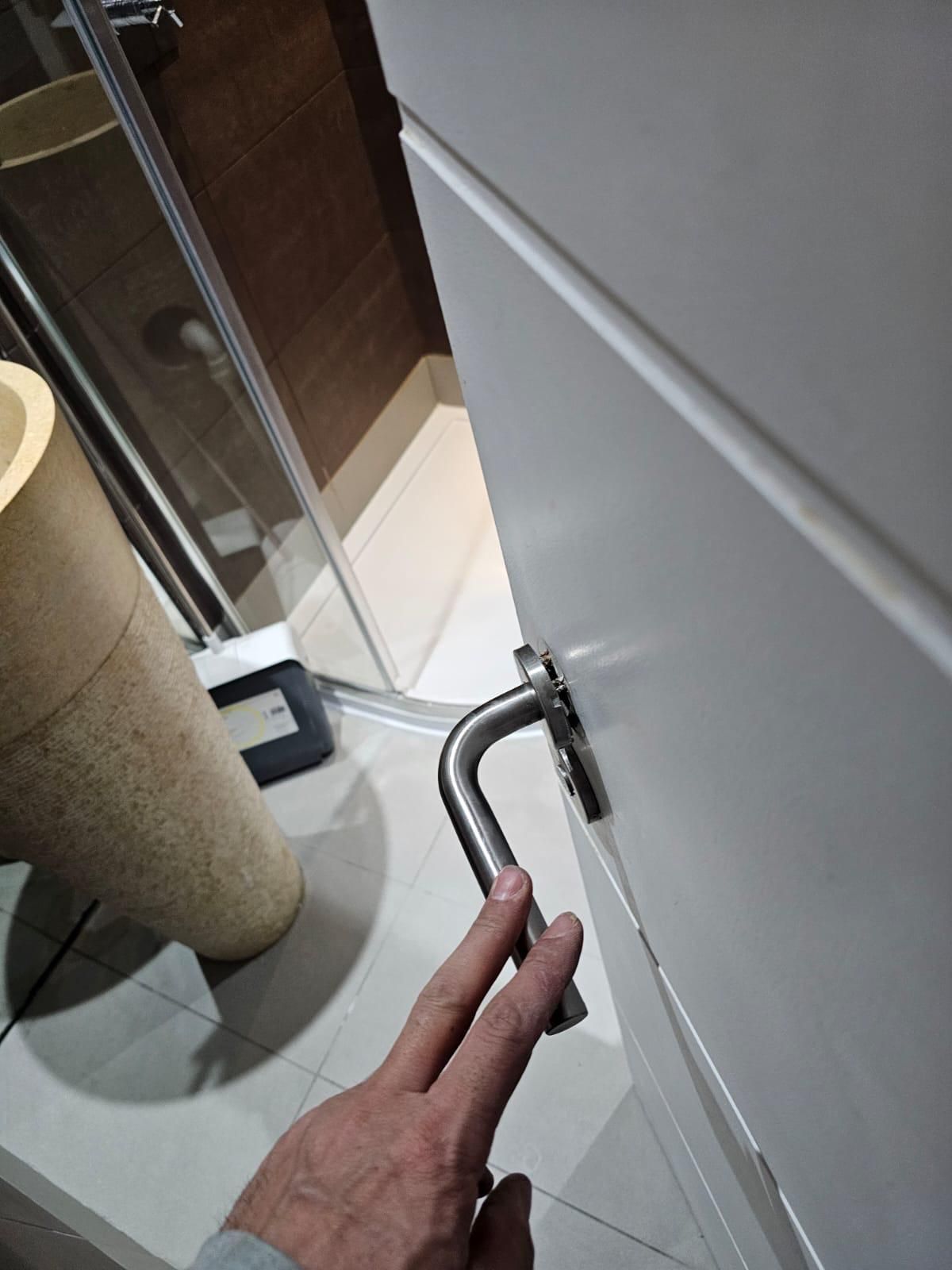
Professional handyman services focus on correct fitting, proper alignment, and overall door performance. By ensuring locks, handles, and hardware are installed and adjusted correctly, they reduce wear and prevent recurring issues. Routine repairs and timely replacements keep doors operating smoothly and extend the lifespan of both the door and its components
| Service Area | Professional Approach | Long-Term Benefit |
|---|---|---|
| Lock fitting | Accurate alignment and fixing | Reliable daily use |
| Handle replacement | Correct sizing and tension | Smooth operation |
| Door adjustment | Even weight distribution | Reduced hardware wear |
| Hardware checks | Full door inspection | Fewer future repairs |
Conclusion
Choosing a professional
door and lock repair handyman service in London is a practical and cost-effective solution for everyday door issues. From
changing and fitting locks to
repairing door handles and general hardware work, these services focus on functionality, reliability, and convenience rather than specialist locksmith interventions. By addressing problems early and ensuring all door components work together correctly, professional handymen help homeowners and businesses maintain safe, smooth-operating doors with long-lasting results.