Blogs

Bathroom Mould Problems in London: Causes, Prevention and Professional Solutions
Bathrooms are one of the most common places for mould to develop in a home. The combination of moisture, warmth, and limited ventilation creates the perfect environment for mould spores to grow and spread.
While a small amount of mould may seem harmless at first, ignoring the problem can lead to damaged surfaces, unpleasant odours, and potentially expensive repairs. Understanding the causes of bathroom mould and taking preventative measures can help keep your bathroom clean, healthy, and looking its best.
In this guide, we’ll explain the common causes of mould in bathrooms, how to prevent it, and when it’s time to call a professional handyman in Kensington.
Why Bathroom Mould Is Common in London Homes
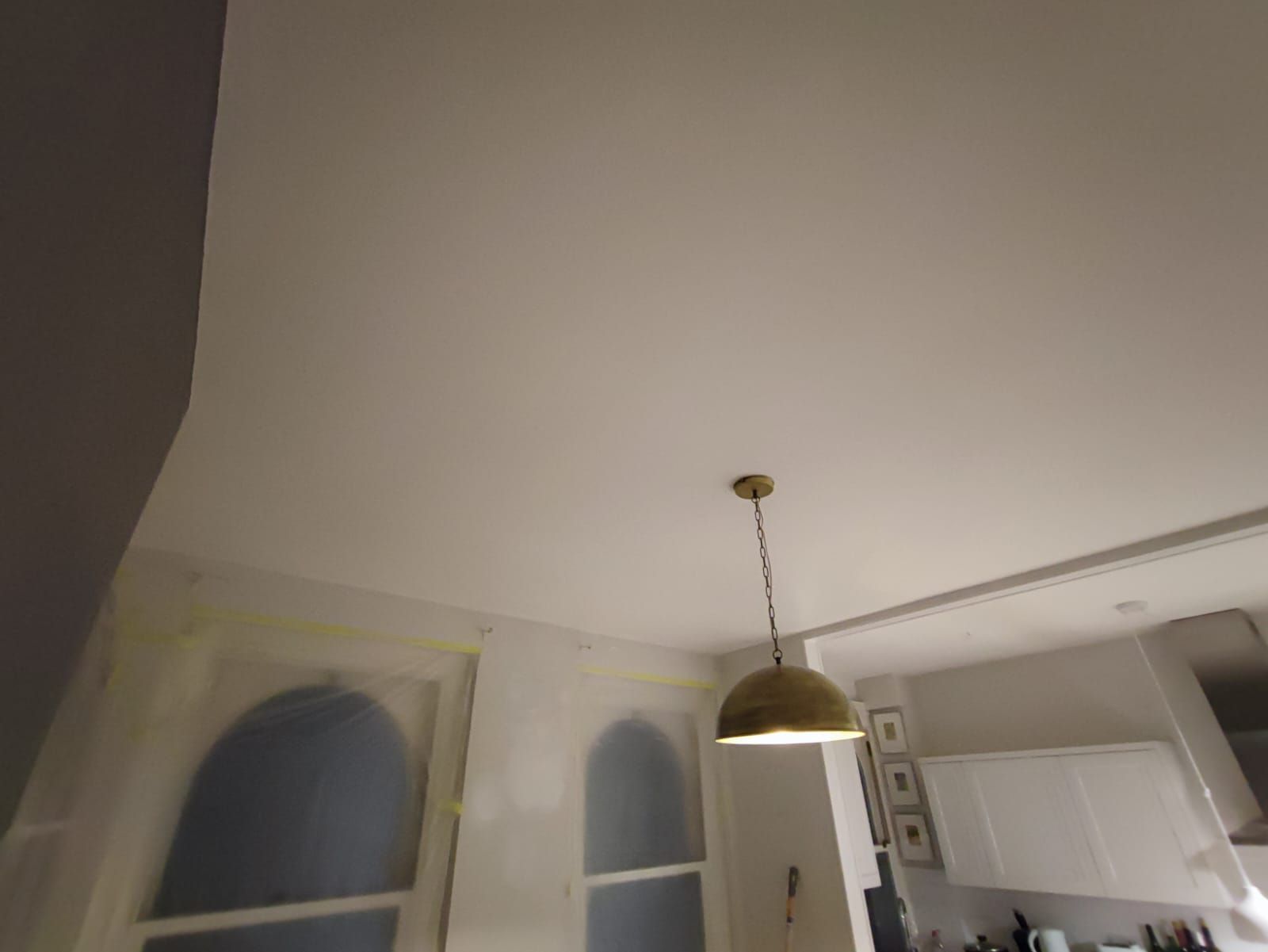
Bathroom mould is especially common in London properties, particularly in areas such as Kensington, Chelsea, Fulham, Hammersmith, and other parts of West London.
Many homes in the city are older buildings with limited natural ventilation, which makes it easier for moisture to build up after showers or baths. Combined with colder months and high indoor humidity, this creates ideal conditions for bathroom condensation, black mould in bathroom, and mould on bathroom ceiling problems.
Flats and converted properties often have even less airflow, which means moisture becomes trapped more easily, increasing the risk of bathroom mould removal issues becoming a recurring problem.
What Causes Mould in Bathrooms?
The primary cause of bathroom mould is excess moisture.
Every time you shower, run a bath, or use hot water, moisture is released into the air. Without adequate ventilation, this moisture settles on walls, ceilings, tiles, grout, and sealant.
Common causes include:
- Poor ventilation
- Lack of extractor fans
- Condensation build-up
- Leaking taps or pipes
- Damaged grout
- Worn silicone sealant
- Water leaks behind walls
- Inadequate heating
Over time, these conditions encourage the growth of black mould in bathroom areas, particularly around showers, baths, ceilings, and window frames.
Where Does Bathroom Mould Commonly Appear?
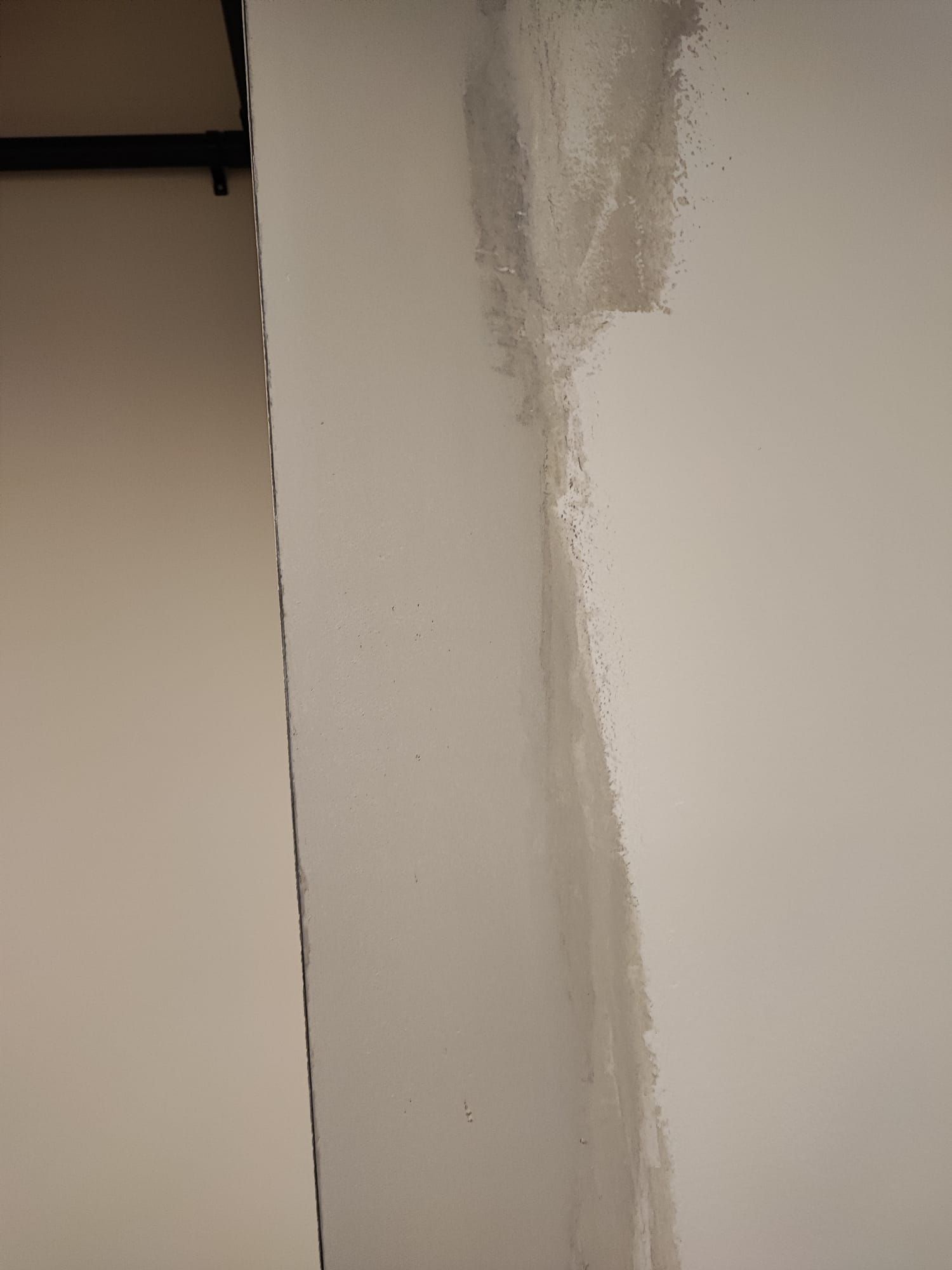
Mould can develop almost anywhere moisture is present.
Bathroom Ceilings
One of the most frequent issues homeowners encounter is mould on bathroom ceiling surfaces. Warm steam naturally rises, causing condensation to collect after showers.
Shower Sealant
Old or damaged silicone traps moisture, making it a perfect breeding ground for mould.
Tile Grout
Porous grout absorbs water over time, leading to staining and mould growth.
Around Windows
Condensation often forms on bathroom windows, especially during colder months.
Behind Bathroom Furniture
Poor airflow areas are particularly vulnerable to mould development.
Is Bathroom Mould Dangerous?
Many homeowners ask whether black mould in bathroom spaces poses a health risk.
Small amounts of mould can usually be cleaned safely. Still, larger infestations may affect indoor air quality and contribute to respiratory irritation, particularly for people with asthma, allergies, or other breathing conditions.
Mould can also cause:
- Musty odours
- Damage to painted surfaces
- Peeling paint
- Stained ceilings and walls
- Deterioration of sealants and grout
The sooner the mould is addressed, the easier and less costly it is to resolve.
How to Prevent Mould in Bathrooms
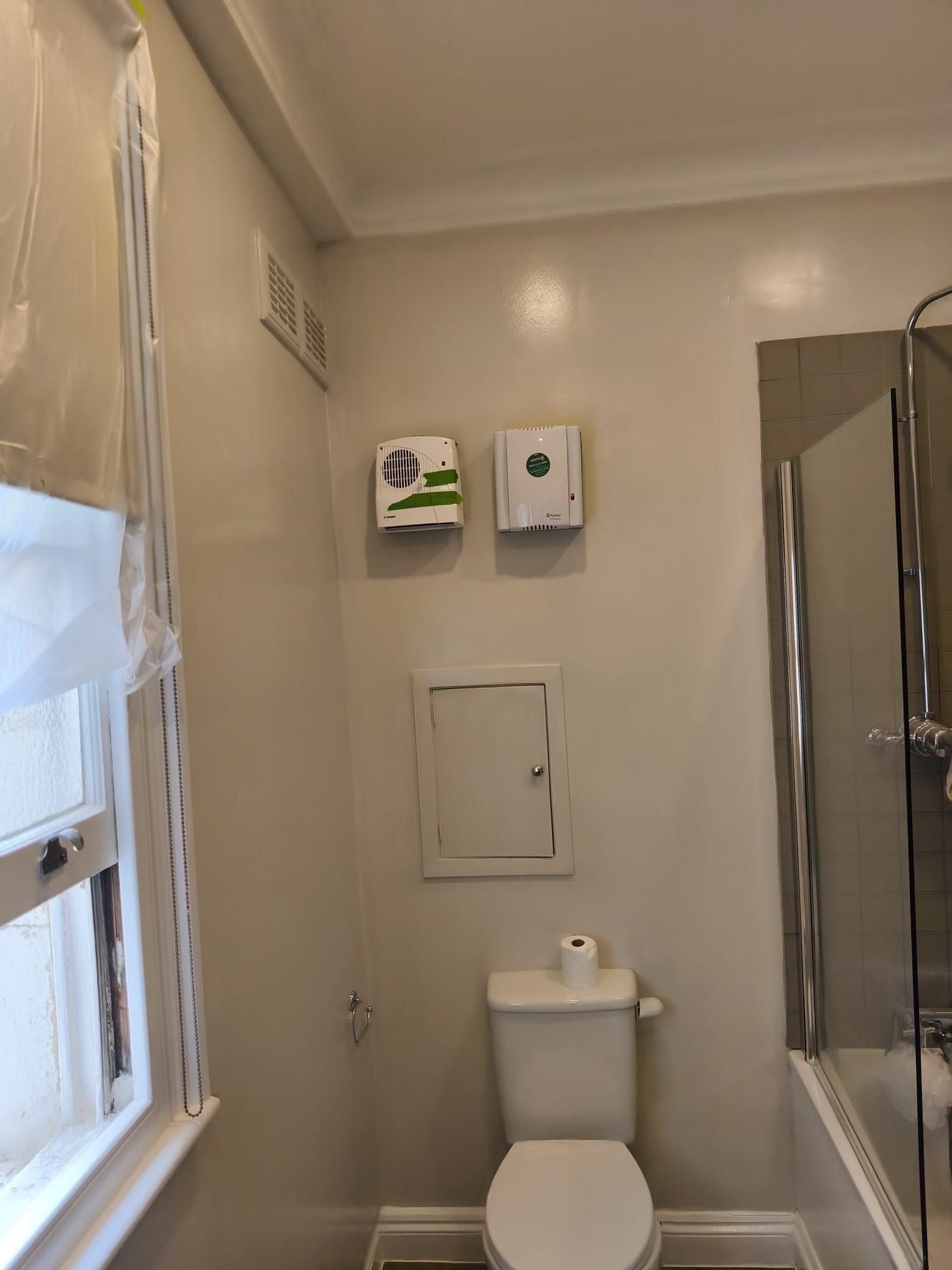
The good news is that preventing bathroom mould removal issues often comes down to reducing moisture levels.
Improve Ventilation
One of the most effective ways to prevent condensation in bathroom areas is to improve airflow.
Consider:
- Installing an extractor fan
- Opening windows after showering
- Keeping bathroom doors open when possible
- Using a dehumidifier if necessary
Wipe Down Wet Surfaces
Removing excess moisture from shower screens, tiles, and walls significantly reduces mould growth.
Repair Leaks Quickly
Even small leaks can create ongoing moisture problems.
Check for:
- Dripping taps
- Leaking shower fittings
- Damaged pipework
- Faulty seals around baths and sinks
Maintain Grout and Sealant
Cracked grout and ageing silicone allow water to penetrate surfaces, increasing the risk of mould.
Replacing damaged sealant is often a simple and cost-effective maintenance task.
When Cleaning Isn’t Enough
Surface mould can often be removed using cleaning products, but recurring mould usually indicates an underlying issue.
If mould keeps returning, there may be:
- Hidden leaks
- Poor ventilation
- Damaged plaster
- Water ingress
- Structural dampness
In these situations, simply cleaning the mould will not solve the problem.
A professional assessment can identify the root cause and prevent further damage.
In more serious cases, such as recurring damp or ceiling damage, professional help like our ceiling water damage repair services in London may be required.
Repairs Often Needed After Mould Damage
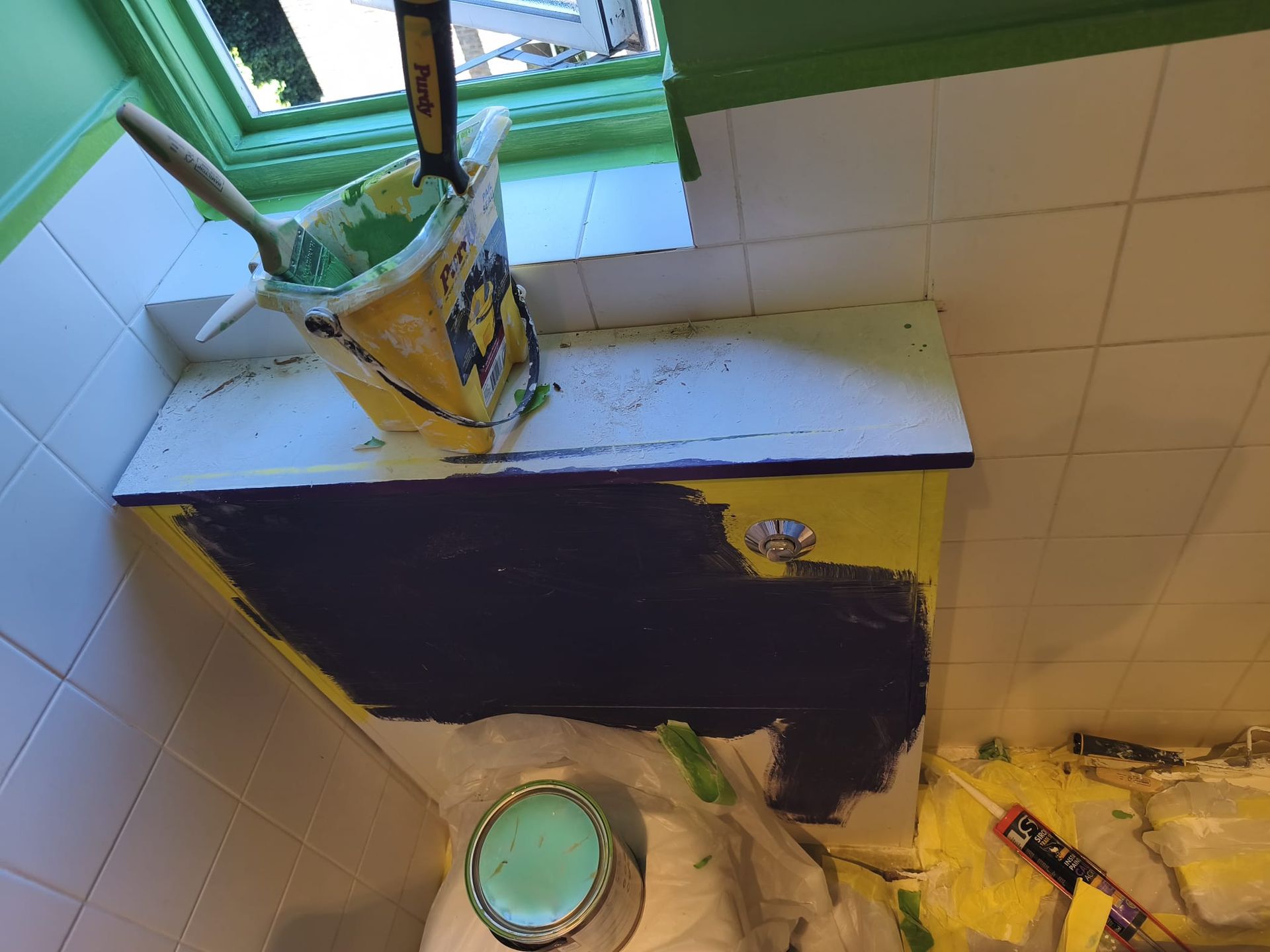
Long-term mould growth can affect the appearance and condition of your bathroom.
Ceiling Repairs
Persistent moisture can cause staining, peeling paint, and damaged plaster.
Repainting Bathrooms
After mould treatment, affected surfaces often require redecorating using specialist moisture-resistant paints.
If your bathroom ceiling has suffered water damage, our Painting and Decorating Services can help restore affected areas.
Replacing Sealant
Old, mouldy silicone around showers and baths should be removed and replaced to create a watertight seal.
Minor Plumbing Repairs
Leaking taps, shower fittings, and pipework often contribute to mould problems.
Our handyman team can assist with a wide range of bathroom maintenance tasks.
How The Kensington Handyman Can Help
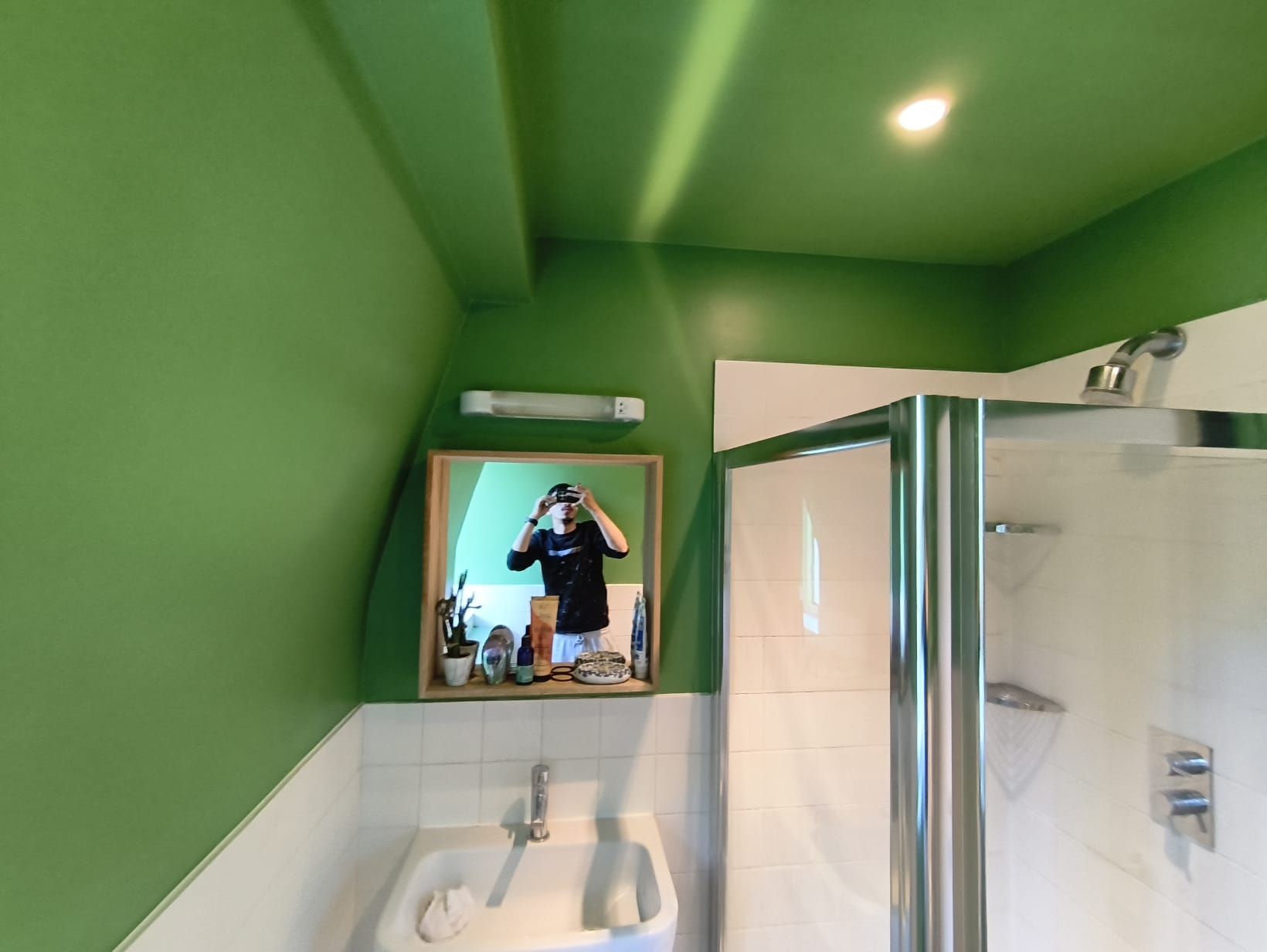
At The Kensington Handyman, we regularly help homeowners tackle the underlying causes of mould in bathrooms.
Our services include:
- Bathroom maintenance
- Minor plumbing repairs
- Sealant replacement
- Ceiling repairs
- Painting and decorating
- Ventilation improvements
- General property maintenance
Whether you’re dealing with recurring bathroom condensation, damaged paintwork, or signs of black mould in bathroom spaces, our experienced team can help identify the cause and recommend the most effective solution.
Related Services
You may also find these services helpful:
- Painting and Decorating
- Handyman Services in West London
- Carpentry Services
- Furniture Repairs
- Curtain and Blind Installation
Final Thoughts
While mould is a common issue in many bathrooms, it should never be ignored. Left untreated, it can damage surfaces, affect indoor air quality, and lead to more extensive repairs.
By improving ventilation, repairing leaks quickly, and carrying out regular maintenance, most mould problems can be prevented before they become serious.
If you’re struggling with recurring bathroom mould, mould on bathroom ceiling, or persistent condensation in bathroom areas, The Kensington Handyman can provide practical solutions to help protect your home.
Frequently Asked Questions About Bathroom Mould
Why does mould keep coming back in my bathroom?
Recurring bathroom mould is usually a sign that the underlying cause has not been resolved. Common issues include poor ventilation, excessive bathroom condensation, hidden leaks, damaged sealant, or inadequate heating.
Is black mould in a bathroom dangerous?
Small amounts of black mould in bathroom areas are generally manageable if cleaned promptly. However, larger infestations can affect indoor air quality and may cause irritation for people with respiratory conditions.
What causes mould on a bathroom ceiling?
Mould on bathroom ceiling surfaces is caused by condensation. Warm air rises during showers and forms moisture on cooler ceiling surfaces, leading to mould growth over time.
How can I prevent mould in my bathroom?
The best way to prevent mould in bathrooms is to reduce excess moisture through ventilation, wiping surfaces, repairing leaks, and improving airflow.
Can a handyman help with bathroom mould problems?
Yes. A handyman can address the root causes by repairing leaks, replacing sealant, improving ventilation, and carrying out
painting and decorating after mould treatment.